Protect Your Property with Reliable Pest Control
Effective Pest Control Approaches: Keep Your Home Pest-Free Year-Round
Keeping a pest-free home calls for a calculated approach. Common pests invade for various reasons, like food sources and protection. Efficient preventative measures play a vital component in keeping these unpleasant visitors at bay. Timely replies to pest emergencies can yield a meaningful difference. Understanding the proportion between eco-friendly alternatives and pharmaceutical solutions is fundamental. Yet, many homeowners overlook the nuances of ongoing servicing and inspection. What steps can be undertaken to promise long-term success?
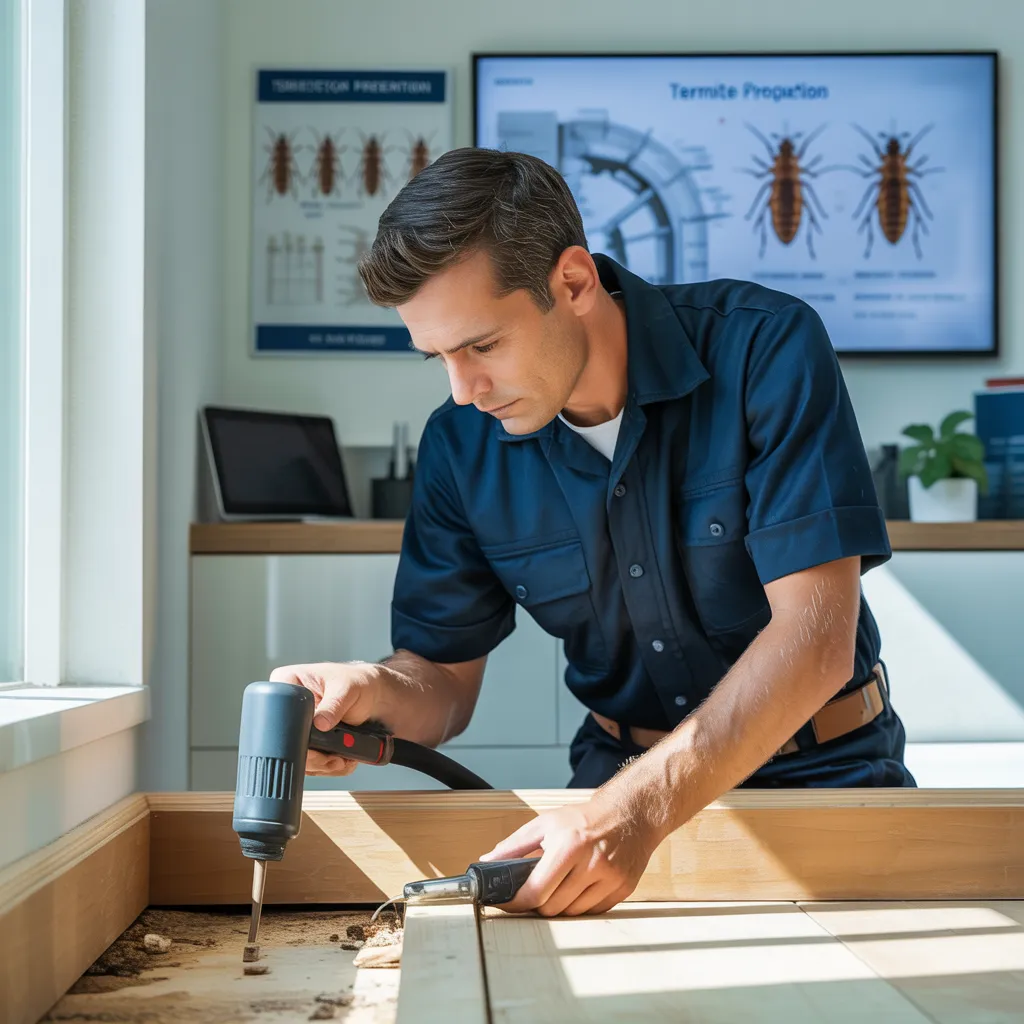
Which Pests Are Frequent and The Reason They Invade Your Home?
What prompts pests to breach homes? Varied factors entice common pests, including rodents, ants, and cockroaches. Food sources, such as crumbs and spills, work as considerable lures, providing easy access to sustenance. Additionally, moisture is a critical factor, with damp areas in kitchens and bathrooms creating favorable conditions for infestations.
Shelter serves as a essential component; insects search out small openings and disorganized areas to establish nests and hide from predators. Weather variations can intensify these invasions, especially during colder months when insects pursue warmth.
Certain environments, like gardens and overgrown vegetation, can further attract pests, offering both food and shelter. Understanding these motivations helps homeowners recognize the importance of maintaining a clean, dry, and well-sealed environment to discourage unwanted guests. By addressing these elements, the likelihood of pest invasions can be considerably reduced.
Effective Preventive Solutions to Keep Pests Away
To successfully prevent pest intrusion, people should focus on closing access routes, keeping spaces tidy, and conducting regular inspections. These preventive actions create barriers that deter pests from entering homes and create an unwelcoming environment. Implementing these strategies can significantly decrease the likelihood of infestations.
Seal Entry Points
Sealing openings is an important step in effective pest control because it greatly lessens the chance of infestations. Pests frequently enter houses through minor gaps and fissures in walls, windows, and doors. Homeowners must carry out a thorough inspection to identify vulnerable spots such as utility lines, vents, and foundation cracks. Employing materials such as caulk, weather stripping, and mesh screens can successfully block these entry points. Regular maintenance is crucial since wear and tear may create new openings. By adopting proactive measures to seal entry points, homeowners can dramatically reduce the risk of pests entering their living spaces, promoting a more sanitary and comfortable environment.
Keep your surroundings tidy
A clean environment acts as a strong defense from pests, significantly decreasing the likelihood of infestations. Routine cleaning habits, such as vacuuming and dusting, eliminate food particles and potential nesting sites, making homes less inviting to insects and rodents. Proper waste management is crucial; storing garbage in closed bins prevents pests from being attracted to odors. Additionally, cleaning spills and crumbs quickly deters pests from establishing a presence. Attention should also be given to exterior spaces; maintaining gardens and yards, like trimming overgrown plants, can discourage pests from entering the home. By fostering a perpetually tidy environment, homeowners can notably enhance their pest prevention efforts, establishing a less hospitable atmosphere for unwanted intruders throughout the year.
Consistent Inspections Compulsory
It is crucial to keep a neat environment, and regular inspections are just as vital in avoiding pest infestations. Homeowners should conduct in-depth inspections of both indoor and exterior spaces, targeting common problem areas such as basements, attics, and the vicinity of windows and doors. Such inspections help in identifying early signs of pest presence, like droppings or damaged materials. Moreover, seasonal inspections can uncover weaknesses caused by changing weather conditions, allowing for prompt interventions. Utilizing professional pest control services for extensive evaluations can further strengthen preventive measures. By prioritizing regular inspections, individuals can safeguard their homes and ensure a proactive approach to pest management, greatly reducing the probability of an infestation forming.
How to Respond Quickly to Pest Emergencies
For pest emergencies, rapid identification of the pest is essential for efficient management. Ascertaining the type of pest enables the use of specific pest management approaches. Speedy intervention not only reduces damage but also prevents recurrent infestations.
Identify The Pest Rapidly
How can homeowners successfully respond to pest emergencies? The first step is quickly determining the pest. Identifying the specific pest type allows targeted action and avoids further infestation. Homeowners should observe key features such as size, color, and behavior, while noting the pest's location. Making use of online sites or pest ID apps can help this process. Also, keeping a pest journal assists in tracking sightings and patterns, making it easier to identify repeated issues. When uncertain, consulting a pest control expert can provide clarity and expert advice. Quick identification not only supports immediate response but also informs long-term prevention plans, ensuring a pest-free environment year-round.
Implement Immediate Control Steps
Acting swiftly is vital when a pest infestation happens. Prompt control measures can greatly lessen damage and reduce health risks. First, assess the situation to identify the type of pest and the extent of the infestation. This assessment directs the choice of appropriate treatment methods. For insects like ants or cockroaches, traps or insecticides can be deployed quickly. In cases involving larger pests, such as rodents, sealing entry points and setting traps is essential. It’s important to maintain safety by using protective gear when handling chemicals. If the infestation appears severe, contacting a professional pest control service is advisable. Quick action not only addresses the immediate threat but also prevents pests from becoming a repeated issue.
Weighing Natural Remedies against Chemical Pesticides for Pest Elimination
In matters of pest control, should homeowners go for natural remedies or chemical treatments? This decision depends on personal preferences, effectiveness, and environmental concerns. Natural remedies such as diatomaceous earth, essential oils, and vinegar solutions are popular among those seeking eco-friendly options. They tend to be safer for children and pets but may need more frequent applications and can be weaker than chemical solutions.
On the other hand, chemical treatments, including insecticides and rodent killers, often provide quick and powerful results. However, they can pose health risks and may lead to resistance in pests over time. Homeowners must weigh the benefits and drawbacks of each method, considering factors like the severity of the infestation, the presence of vulnerable individuals in the home, and long-term sustainability. Ultimately, a well-rounded plan incorporating both methods may yield the best results for maintaining a pest-free environment.
When Would It Be Appropriate to Call a Pest Control Specialist?
Determining the right moment to contact a pest control expert can considerably affect the effectiveness of pest control efforts. Homeowners should think about contacting an expert when they observe indicators of an pest problem that exceeds their ability to handle, such as a large number of rodents or bugs. Additionally, if do-it-yourself approaches fail to produce results after a fair timeframe, it may be time to seek professional help.
An additional essential factor is the potential wellness risks associated with certain pests. For example, termites can create building damage, while cockroaches may trigger allergies or asthma. Moreover, if pests are detected in vulnerable areas like kitchens or bedrooms, expert intervention is recommended. Ultimately, if the pest problem is ongoing or recurring, an expert can offer an all-encompassing assessment, ensuring a sustained solution rather than short-term relief. Identifying these scenarios promptly can result in a more streamlined and effective pest control strategy.
Year-Long Guidance for Keeping a Pest-Free Home
After learning when to find competent pest control services, dwellers can integrate defensive strategies to sustain a pest-free environment throughout the year. Routine assessments are important; surveying for signs of infestations, such as droppings or breeding areas, can help catch problems beforehand. Plug any cracks or gaps in structural components and entryways to hinder pests from entering. Maintaining cleanliness is imperative; promptly cleaning up dropped food particles and find this resource storing food in airtight containers can deter pests.
Seasonal responsibilities also play a role. In spring, homeowners ought to clear debris from yards and trim overgrown bushes. In fall, ensuring gutters are clean and downspouts direct water away from the foundation can minimize moisture, attracting pests. Finally, utilizing natural deterrents, such as essential oils or diatomaceous earth, can provide an effective, eco-friendly strategy to pest management. By putting these plans into action, homeowners can markedly reduce their risk of infestations year-round.
Regularly Posed Questions
In What Manner Do Weather Changes Alter Pest Activity Indoors?
Seasonal variations substantially influence indoor pest activity. Warmer temperatures may accelerate insect population growth, while humidity can foster infestations. Conversely, colder conditions often force pests indoors, hunting shelter and food, thereby intensifying indoor pest problems.
Do Animals Pull in Pests Into Your Home?
Pets can indeed attract pests into the home. Their fur, food, and waste often serve as lures for fleas, ticks, and rodents, raising the likelihood of infestations if not properly managed and controlled.
In What Way Does Landscaping Influence Pest Prevention?
Landscaping serves a critical function in pest control by influencing habitat suitability. Proper plant selection, regular maintenance, and strategic placement can deter pests, minimize areas where pests can shelter, and promote natural predators, ultimately creating a healthier environment.
Do Certain Times of Year See Greater Pest Movement?
Pests tend to be increasingly prevalent during heated periods, particularly spring and summer, when heat levels climb and food sources are readily available. Fall may witness increased activity as species prepare for winter, looking for safety and food.
How Can I Pinpoint the Origin of a Pest Problem?
To discover the source of a pest problem, it is important to check potential entry points, review areas where food is stored, and observe signs of infestation such as droppings or nests, to pinpoint the infestation's starting point.